
Last mile and 2026 regulations: what's changing fordelivery companies
- 08/04/2026
- 14:30
Time Reading : 5 min
In a context of rapidly changing urban distribution, last mile regulations are becoming a key factor
to be integrated into the strategies of delivery companies. New urban logistics obligations,
restrictions related to low–emission zones (LEZs), and increased environmental compliance
requirements have a direct impact onroute organization, fleet choices, and operational planning.
Transport operators must anticipate these changes, not only to comply with urban transport
legislation, but also to optimize their performance and reduce their carbon footprint. This article
details the main changes coming in 2026 and how to prepare for them.
Table of contents
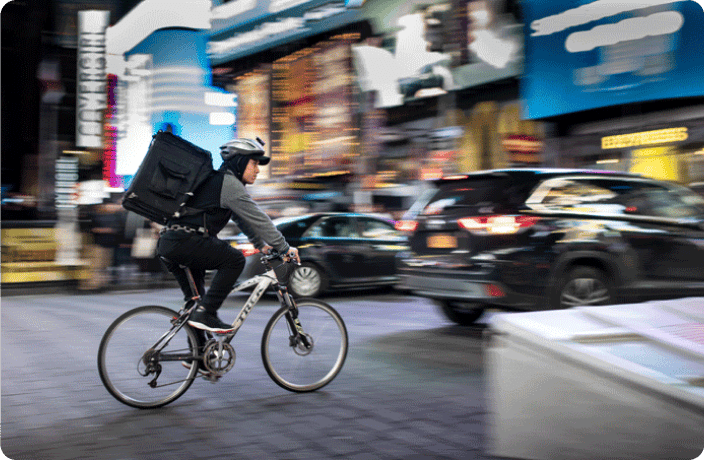
Requirements for urban logistics
Urban logistics is subject to a regulatory framework that is gradually tightening its requirements, particularly in terms of traffic, safety, and sustainability. Local and regional authorities are implementing measures to organize and better control the movement of goods in order to improve the quality of life in cities and reduce the negative externalities of transport.
Delivery companies must now take into account several urban logistics obligations. These include:
- Adherence to mobility charters,
- Compliance with delivery time slots imposed in certain sensitive neighborhoods,
- Adapting delivery routes to reduce noise pollution and
The increasing saturation of city centers is also driving the integration of collaborative approaches, such as the pooling of flows or the use of local logistics platforms to limit journeys in the urban center.
Route management must take into account restrictions on access to pedestrian zones or areas with limited traffic, or face financial penalties or stricter bans. In 2026, these requirements will become more stringent, making it necessary to use automated planning and tracking tools to ensure that urban logistics are both compliant and efficient.
The impact of LEZs
In 2026, last-mile regulations will be marked by the strengthening of Low Emission Zones (LEZs) in urban areas. These zones will restrict access to the most polluting vehicles based on their Crit’Air classification, with increased restrictions in major cities such as Paris, Lyon, and Marseille.
For delivery operators, this means adapting their fleets (electric or low-emission vehicles), optimizing routes, and rethinking logistics organization—particularly through micro-depots or cycle logistics.
LEZs therefore represent not only a technical constraint, but also a broader transformation of operational models aimed at combining performance with environmental compliance.
The role of Nomadia Delivery
Faced with stricter last-mile regulations, delivery companies need tools that can integrate regulatory constraints directly into their operations. This is precisely where solutions such as Nomadia Delivery play a key role in ensuring compliance while maintaining logistics performance.
The platform makes it possible to anticipate and manage constraints related to urban transport legislation (low-emission zones, time restrictions, regulated areas). By integrating these rules into the planning stage, it generates compliant routes and limits the risk of violations or last-minute adjustments.
It also provides real-time visibility of deliveries and vehicles, facilitating the management and demonstration of environmental compliance through reliable data. Finally, Nomadia Delivery helps last-mile players adapt their routes to regulatory changes, transforming constraints into levers for efficiency and environmental responsibility.
How can you anticipate regulatory changes ?
For delivery companies, the key to remaining competitive in the face of last-mile regulations is anticipation. The regulatory landscape is changing rapidly, driven by national and European climate targets, as well as local initiatives to reduce urban pollution, improve air quality, and organize the flow of goods more efficiently. A proactive approach not only helps to comply with standards, but also transforms these constraints into strategic opportunities.
Staying informed about regulatory developments
The first step is to regularly monitor official publications from public authorities. In France, the Ministry of Ecological Transition publishes information on low-emission zones (LEZs) and obligations related to goods mobility as part of the National Plan for Sustainable Mobility.
At the local level, cities and urban communities publish their own traffic and delivery rules on their dedicated websites. This includes LEZ rollout schedules, restrictions by vehicle type, and possible exceptions.
Mapping the potential impact
Once the regulations are known, it is important to assess their concrete impact on existing operations. This involves mapping the areas affected by the new rules, analyzing the types of vehicles used by the company, and estimating the costs associated with compliance. For example, for areas that now ban combustion engine vehicles, adopting an electric or hybrid fleet may be an appropriate proactive response.
Developing an internal compliance strategy
Anticipation must also translate into organizational adaptation. This involves training teams on the new requirements and integrating regulatory constraints into the planning and updating processes for logistics information systems. A robust compliance process helps reduce the risk of penalties, but also improves long-term operational resilience.
Use the right tools
Finally, the use of advanced technological tools capable of taking regulatory constraints into account when planning routes is a major asset.
For example, a planning platform that integrates ZFE restrictions into its algorithms can generate compliant routes from the outset, reducing the need for last-minute corrections. Such a proactive approach to environmental compliance for delivery enhances performance while ensuring regulatory compliance.
Projet, demande de démonstration ou d’essai gratuit ?
Projet, demande de démonstration ou d’essai gratuit ?
Project, request for a demonstration, or free trial?