
Securing Public Field Workers: The Importance of a LWP (Lone Worker Protection) and Device with Nomadia Protect
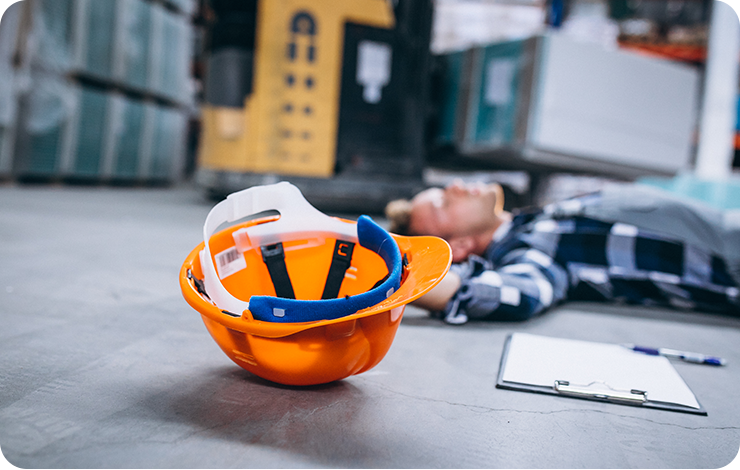
In the public sector, field staff—whether cleaning personnel, technicians, social workers or reception teams—often work alone, sometimes in isolated or high-risk environments. This form of lone working presents significant safety risks: in the event of an accident, medical emergency or assault, rapid intervention and accurate location of the affected worker are crucial. This is precisely where Nomadia Protect comes in: a Lone Worker Protection system specifically designed to meet the needs of public sector field staff
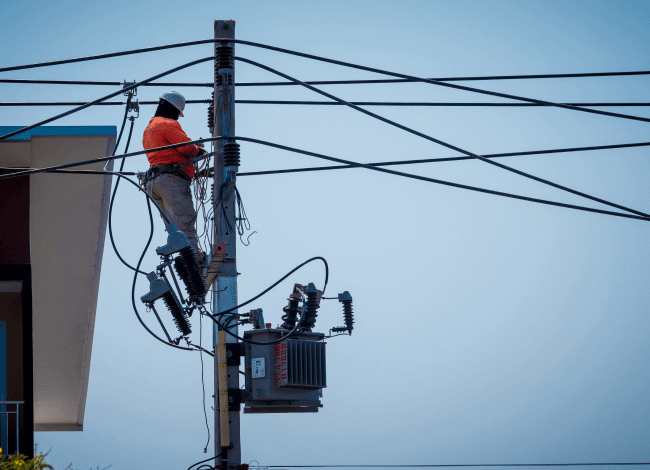
What is Lone Working? The Legal Framework in the United Kingdom
In the United Kingdom, lone working is not prohibited, but it is strictly regulated under several key health and safety laws. Lone working refers to situations where an employee works by themselves, without close or direct supervision, and out of sight and earshot of colleagues. Public sector employers have clear legal duties to assess and manage the risks associated with such situations.
Key Legal Obligations :
Health and Safety at Work etc. Act 1974 (HSWA)
Under this foundational legislation, employers must ensure, so far as is reasonably practicable, the health, safety, and welfare of their employees.
Management of Health and Safety at Work Regulations 1999
Emergency Arrangements & Monitoring
Training, Supervision, and Monitoring
Supervision levels should depend on the risk assessment: higher risk → more supervision.
Stress, Mental Health & Other Risk Factors
Emergency procedures should also cover medical incidents, and first-aid arrangements should be made.
Why a Lone Worker Protection System is Essential for Field Workers
1. Rapid Alerting and Assistance
With a professional LWP solution such as Nomadia Protect, workers can trigger an alarm manually (SOS button) or automatically (fall detection, absence of movement), enabling a rapid response.
2. Accurate Geolocation
Thanks to GPS, mobile networks and integrated sensors, Nomadia Protect provides real-time location tracking—crucial for efficient emergency response.
3. Multiple Alarm Modes
Lone workers can send a discreet alarm (e.g. via smartwatch) in threatening situations or trigger a standard emergency alert via their smartphone.
4. “Positive Safety” (Man-down Function)
Nomadia Protect includes a “presumed danger” mode: if connection is lost or no regular check-ins occur, the system automatically triggers an alert.
5. Centralised Alarm Management
Alerts can be handled internally (in-house control centre) or externally through a 24/7 alarm receiving centre, depending on the needs of the public institution.
Nomadia Protect: An LWP Solution Fully Tailored to the Public Sector
Nomadia Protect has been specifically designed to address the challenges faced by mobile field teams (technicians, cleaning staff, social workers, and others).
- Easy to use: The app is installed on employees’ smartphones or smartwatches, eliminating the need for expensive dedicated devices.
- Automatic detection: Thanks to intelligent algorithms, the app detects risky situations such as falls or immobility—even if the worker cannot trigger an alarm manually.
- Administration interface: Managers have access to a web-based dashboard to configure alerts, track workers in real time, and coordinate responses.
- LWP Smartwatch: For tasks where smartphones are impractical, Nomadia offers a watch version with GPS and configurable alarms.
- Control centre integration: The solution can be associated with an optional 24/7 monitoring centre.
Practical Examples from the Public Sector
By implementing an LWP system such as Nomadia Protect, public employers meet key legal obligations:
- The risk assessment under §5 ArbSchG must include lone working scenarios.
- Emergency procedures must be defined, with clear protocols for isolated workers.
- The Occupational Health and Safety Act requires employers to ensure that lone workers can signal any emergency and receive prompt assistance.
- DGUV emphasises a holistic approach: an LWP system alone is not enough; organisational measures, staff training and communication with emergency services are also required.
Tangible Benefits for Field Staff and Public Administrations
- 1. Enhanced Safety
Workers know they can raise the alarm in seconds or rely on automatic detection—reducing the stress associated with lone working.
- 2. Trust and Job Attractiveness
A solution like Nomadia Protect strengthens employees’ sense of value and belonging, improving job satisfaction and retention.
- 3. Responsiveness and Traceability
Managers can monitor alarms in real time, analyse incidents, improve response processes and learn from experience.
- 4. Legal Compliance and Accountability
Public institutions demonstrate that they prioritise employee safety, meet legal requirements and reduce liability risks.
- 5. Operational Flexibility
Thanks to Nomadia Protect’s versatility—smartphone, smartwatch, internal or external monitoring—each public service can tailor the solution to its size, resources and field conditions.
Conclusion: Nomadia Protect, a Strategic Advantage for the Public Sector
For public institutions, protecting lone-working field staff is not only a legal obligation but also a human, operational and strategic priority.
Nomadia Protect offers a comprehensive, modern and practical response:
- an LWP solution aligned with best practices and legal requirements;
- use of familiar devices (smartphones, smartwatches), reducing investment costs;
- a combination of automatic detection and manual alerting for all risk scenarios;
- flexible alarm management (internal or via a monitoring centre);
- strengthened trust and safety for field employees.
By investing in Nomadia Protect, public institutions demonstrate their commitment to worker safety—while enhancing their operational efficiency and social responsibility.