
PTI equipment: The best devices for protecting your lone workers
- 21/08/2023
- 15:10
Reading time : 5 min
Lone workers are people who work alone or without supervision in isolated locations. These working conditions expose workers to significant risks. It is therefore essential that employers prioritize safety and equip themselves with the appropriate tools. Let’s take a look at the different types of PTI equipment available.
PTI equipment | Description | Advantages |
Safety-focused apps with manual alarms, fall detection, geolocation, and automatic safety reminders. | Versatile, economical, and suitable for professions that already require a smartphone. | |
Manual Alarm Devices (MAD) | Allow you to trigger an alert at the touch of a button. | Easy to use, quick to deploy, effective for immediate intervention. |
Fall or immobility detectors | Sensors analyze movement to detect a fall or prolonged immobility. | Ideal solution for high-risk occupations, such as working at height. |
Fixed emergency buttons | Installed at workstations for rapid alerting in case of a problem. Connected to a centralized system, robust and accessible. | Accessible in stressful situations, robust and reliable for fixed workstations. |
Geolocation devices | Allow workers to be located in real time using GPS. Often include geofencing functions to detect when workers leave a designated area. | Enables rapid location in the event of a problem, suitable for isolated areas. |
Walkie-talkies with alert functions | Robust communication devices including emergency buttons and automatic alerts. Suitable for industrial environments or areas without telephone network coverage. | Robust, functional even without a telephone network, effective team communication. |
Portable connected beacons (badges or bracelets) | Lightweight badges or bracelets with fall detection, geolocation, and alert button. | Discreet, lightweight, and suitable for professions requiring mobility and flexibility. |
Automated alert systems (AAS) | Systems integrated into infrastructure, detecting anomalies such as machine shutdowns or prolonged operator absence. | Proactive, limits human error through automation, effective for industrial environments. |
PTI vests | Smart clothing combining visibility and durability with advanced technologies such as fall detection, geolocation, and alerts. | Integrates physical and technological protection, versatile for various environments. |
What is PTI equipment?
Lone worker protection equipment is a device designed to ensure the safety of workers who are isolated. It includes electronic devices such as location beacons and alert systems to notify the necessary people in case of problems.
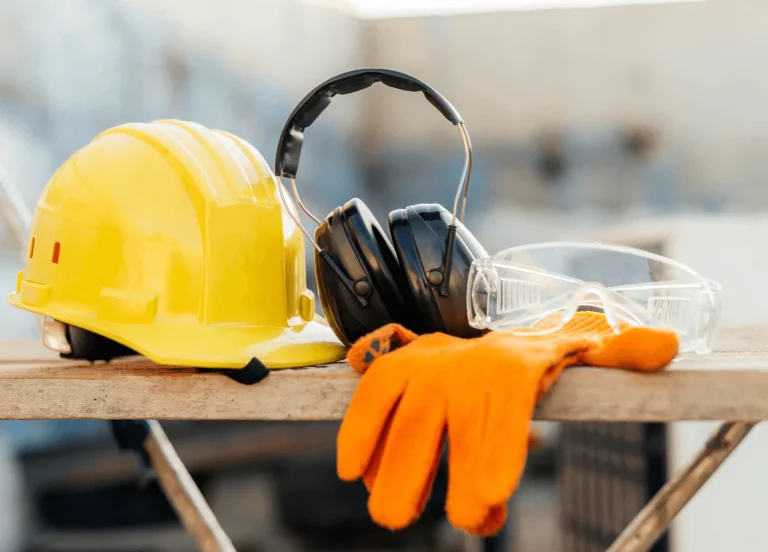
Hygiene clothing, boots, and other protective equipment are also essential for protecting workers from accidents. As an employer, you must provide this equipment to ensure the safety of your isolated employees. You must also ensure that they are properly trained in its use.
PTI equipment: how important is it?
To know what types of equipment are available, you need to understand the various risks that lone workers face. This will help you understand the importance of PTI equipment. It is the first step in developing protocols and acquiring equipment that can protect, communicate, and provide an appropriate response in an emergency.
- Physical risks
Lone workers often work in hazardous environments, such as construction sites. They may be exposed to physical risks such as falls, cuts, or burns. Without the appropriate equipment, these types of injuries can be life-threatening. For example, a construction worker may be working on a high-rise building, slip, and accidentally fall. In this case, the worker could suffer serious injuries.
Similarly, a lone worker working in an isolated location may become trapped under a machine. If they do not have the necessary PTI equipment to call for help, the accident can have more serious consequences.
- Environmental risks
Lone workers often work in areas with harsh environments, including:
- Extreme temperatures,
- Critical weather conditions
- Or exposure to hazardous chemicals.
A lone worker in a desert area may be exposed to extreme heat, which can lead to dehydration or heat exhaustion. Similarly, a worker in a chemical plant may be exposed to hazardous chemicals, which can cause respiratory problems or skin irritation.
- Health and safety risks
Lone workers may also face health and safety risks, including exposure to infectious diseases, lack of access to medical facilities or first aid, and fatigue or stress due to long working hours or working alone.
- Social isolation and mental health issues
Lone workers are at risk of social isolation, which can lead to mental health issues such as depression and anxiety. For example, a lone worker who has no social interaction for days on end may feel lonely. This can subsequently lead to depression. It is essential that employers provide their lone workers with PTI equipment and the necessary support to ensure their safety, health, and well-being.
9 PTI devices for protecting lone workers
PTI smartphone apps
Smartphones can be equipped with apps dedicated to protecting lone workers. These apps transform the phone into a comprehensive safety tool, incorporating features such as manual alarms, fall detection, geolocation, and periodic checks. The latter consist of sending reminders to the worker to confirm their safety, failing which an alert is automatically triggered.
Manual alarm devices (MAD)
Manual alarm devices allow lone workers to trigger an alert in the event of a problem by pressing a button or specific control. They are often integrated into portable devices such as smartphones, badges, or smartwatches. These devices offer a simple and effective method of alerting a supervisor or control center when an incident occurs.
The alert can take several forms: audible, visual, or direct transmission to an emergency service. Very easy to use, these devices are particularly suitable for environments where rapid intervention is possible, such as offices, factories, or hospitals.
Fall or immobility detectors (automatic detection)
Fall or immobility detectors analyze the wearer’s movements using sensors such as accelerometers and gyroscopes. These devices automatically trigger an alert in the event of a sudden fall or prolonged absence of movement, signaling a potentially dangerous situation.
Some models include a pre-alarm, allowing the worker to cancel an accidental alert. This solution is ideal for high-risk occupations, such as working at height, where a fall can have serious consequences if help is not provided quickly.
Fixed emergency buttons
Fixed emergency buttons are installed at workstations or in specific areas to provide a quick method of triggering an alert. They are designed to be easily accessible and usable even in stressful situations.
These buttons are often connected to a local network or centralized system that immediately alerts emergency services or safety managers. Highly robust and reliable, these devices are ideal for fixed locations in industrial, medical, or administrative environments, where carrying a mobile device is not always practical.
Geolocation devices
Geolocation devices are solutions that allow lone workers to be located in real time using an integrated GPS system. These tools ensure rapid intervention by emergency services in the event of a problem, particularly in remote or inaccessible areas. They can also be configured with geofencing functions, triggering an alert if the worker leaves a predefined area.
These devices are often integrated into:
- Portable beacons,
- Phones
- or dedicated applications.
They are particularly suitable for mobile or isolated professions, such as foresters or maintenance workers.
Walkie-talkies with alert functions
Walkie-talkies now include specific features for protecting isolated workers. In addition to their traditional communication function, these devices incorporate emergency buttons, automatic alerts in the event of prolonged immobility, and sometimes GPS functionality.
They are particularly useful in industrial environments, on construction sites, or in areas where telephone networks are unreliable. Their robustness and extended range make them a preferred tool for workers operating in teams or remotely.
Portable connected beacons (badges or bracelets)
Portable connected beacons are lightweight and discreet devices worn as badges, bracelets, or pendants. This equipment often combines several functions, such as:
- fall detection,
- geolocation,
- a manual alert button.
Their light weight and ease of use make them ideal for mobile professions or those requiring a high degree of freedom of movement. For example, a home care worker can use a connected bracelet to quickly alert others in the event of a fall or assault.
Automated alert systems (AAS)
Automated alert systems are directly integrated into equipment or infrastructure to proactively monitor safety. These devices detect anomalies such as a sudden machine shutdown or prolonged operator absence.
When a problem is identified, an alert is automatically sent to a rescue team or supervisor. These systems are particularly suitable for industrial environments where workers interact with potentially dangerous machinery.
PTI vests
PTI vests are an innovative, integrated solution for the safety of lone workers. These smart garments combine traditional personal protection features (such as visibility and weather resistance) with advanced technologies to monitor and ensure the safety of the wearer.
How to choose the right PTI equipment?
To find the right PTI equipment, you need to consider the overall situation of the intervention.
Know the communication network
You need to know the communication network in which your lone worker operates in order to choose the right equipment to use. For example, if you give a GSM phone to an employee in an area where the network is not covered, you are putting them at risk.
The type of risk
You should also consider the risk faced by your lone worker in order to choose the right PTI equipment. You would not choose the same equipment for someone working at height as you would for someone at risk of burns.
Best practices for optimal lone worker protection
In addition to equipment, certain proven practices ensure the safety of lone workers.
Worker training and response teams
According to a study by INRS (Institut National de Recherche et de Sécurité, 2021), companies that train their employees in the use of lone worker DATI devices reduce accidents by 30 to 40%. For example, VINCI Construction has implemented a mandatory training program for its teams on construction sites, including simulations of the use of lone worker alarms.
The INRS also recommends organizing quarterly drills to test alert protocols. Companies that do so see their response times decrease by 30% on average.
A guide published by the OPPBTP (Professional Organization for Prevention in the Building and Public Works Sector, 2022) also emphasizes the importance of training workers on specific risks and best practices for avoiding them. For example, AP-HP (Assistance Publique Hôpitaux de Paris) hospitals have reduced incidents related to isolation by incorporating training modules on safety protocols and the use of lone worker PTI devices.
Choosing the right lone worker equipment based on the risks
Companies must adapt PTI equipment to the identified risks. For example, fall detectors are recommended for technicians working at height, while lone worker applications such as Nomadia Protect are ideal for traveling salespeople, as they combine geolocation and manual alerts.
According to a Gartner study, 20% of accidents in isolated environments are linked to equipment that is unsuitable for local conditions. It is therefore crucial to test devices (connected beacons, walkie-talkies) in the real environment before deployment.
Establish clear alert protocols
The INRS recommends establishing specific steps for triggering an alert and designating individuals responsible for each incident. A chemical plant in Normandy reduced its response times by 50% by clarifying its protocols.
It is also essential to ensure real-time communication by equipping workers with PTI walkie-talkies or mobile applications. This allows for constant contact with supervisory teams.
Involve workers in the safety process
Gathering feedback from workers is essential to make them feel listened to and safer. Appointing safety representatives can also reduce risks. Sanofi, for example, reduced its incidents by 25% by appointing safety representatives for each site.
You can also integrate lone worker protection into your company values, with awareness campaigns and rewards for exemplary teams.
Regulations governing lone worker protection equipment
According to Article L4121-1 of the Labor Code, all employers have an obligation to protect the mental and physical health of their employees, whether they work alone or not. Employers are also required, under Article R4512-13 of the Labor Code, to implement preventive measures, which include:
- define an emergency response plan and communicate it to employees
- training employees in first aid so that they can intervene
- having first aid equipment available
Finally, please note that teleworkers are now considered isolated workers. You are therefore responsible for their physical and mental health during working hours.
In the event of non-compliance, penalties can be as high as €10,000 per employee, and the employer may be prosecuted for endangering others (Article 223-1 of the Penal Code) if the employee is injured.