Logistics Flow Management: How to Optimize It?
- 12/12/2023
- 16:04
reading time : 2 min

Content Marketing Manager
The management of logistic flows directly impacts your company’s overall performance. It shouldn’t be overlooked! Although it can present a complex and strategic challenge, we will provide you with the keys to optimize it and improve your results.
Tables of Contents

Logistic Flow Management: Clarification
- Different Types of Logistic Flows
Understanding the various types of logistic flows enables professionals to implement suitable strategies, thereby improving operational smoothness.
Inbound Flows
Inbound flows, also known as supply flows, encompass all activities related to receiving raw materials, components, or finished products. Efficient management of this flow ensures consistent supply, reducing the risk of stockouts and optimizing associated costs.
Outbound Flows
On the other hand, outbound flows cover the journey of products from the production site to the end customer. These flows include distribution, packaging, and shipping. Optimal management of outbound flows ensures customer satisfaction by guaranteeing timely and proper delivery.
Information Flows
Beyond physical flows, managing information flows plays a central role in modern logistics. It encompasses the communication of relevant data at each stage of the logistic process. The use of advanced technologies, such as ERP systems and real-time tracking platforms, is necessary to ensure the accuracy and speed of exchanged information.
Financial Flows
Financial flows in logistic management are related to monetary transactions associated with product movements. This includes purchasing costs, storage, transport, and possible taxes. Meticulous management of financial flows allows control over expenses, identification of savings opportunities, and overall optimization of profitability.
Return Flows
Lastly, return flows, or reverse logistics, deal with the movement of products from the consumer back to the point of origin. This includes the return of defective products, refunds, and recycling processes. A proactive approach to managing return flows contributes to reinforcing customer satisfaction and minimizing losses.
- Objectives of Logistic Flow Management
Enhancing Operational Efficiency
Optimizing operational efficiency is a major objective of logistic flow management. By simplifying and streamlining transport, storage, and distribution processes, businesses can reduce costs while improving the speed and smoothness of operations.
Reducing Delivery Lead Times
Logistic flow management also aims to reduce delivery lead times. By minimizing waiting times and optimizing routes, logistics professionals can respond more rapidly and efficiently to market demands, thus enhancing customer satisfaction and overall competitiveness.
Optimal Inventory Management
Another key objective is optimal inventory management. By maintaining appropriate stock levels and avoiding unnecessary excess, businesses can ensure a constant availability of products while limiting storage costs.
Adaptability to Market Changes
In a dynamic business environment, adaptability is crucial. Logistic flow management must integrate flexibility to quickly adjust to changes in market demand, evolving regulations, and environmental conditions, ensuring a resilient supply chain.
Risk Minimization
Logistic flow management also aims to minimize operational risks. By identifying and mitigating vulnerable points in the supply chain, logistics professionals can anticipate and reduce the impacts of unforeseen events, ensuring operational continuity.
Optimizing Logistic Flows
Optimizing logistic flows involves perfecting the management of these flows, aiming to eliminate unproductive or non-productive activities, which represent a loss of time and resources for the company. To achieve this goal, organizations can leverage various specialized tools and methodologies.
- Identifying Sources of Waste in the Logistic Chain
The first step toward an optimized logistic chain is to meticulously scrutinize each link in the logistic chain to find waste. Often concentrated at the handling and transport levels, waste can also hide in overloaded warehouses, extended waiting times, overproduction, and manufacturing defects, leading to significant losses.
- Differentiating Value-Added and Non-Value-Added Activities
Closely related to the previous step, this phase of logistic flow management aims to distinguish and eliminate non-value-added activities, which constitute sources of waste. The goal is to highlight high-value-added activities, allowing the company to concentrate its resources more effectively. This approach also facilitates the management and control of product quality.
- Developing a Value Stream Map
Considered as the first practical step in the logistic flow optimization process, establishing a map of physical and informational flows in the logistic chain allows for a clear visualization of potential improvement levels. This methodology, known as “value stream mapping,” highlights aspects such as:
- the nature and quantity of informational flows,
- production lead times,
- product quality,
- handling and transport costs,
- product size, etc.
Software for flow simulation is available for detailed mapping.
Nomadia Delivery combines the best of optimization and traceability to design a more efficient and responsible logistic chain.
- Implementing an Optimized Management Strategy
Efficient optimization of logistic flows requires a well-developed strategy based on the previously created flow mapping. This strategy relies on observing chain activities, the material, financial, and human resources involved, as well as an in-depth analysis of potential issues. A schedule is then defined to correct identified imperfections.
Logistic Flow Management: The Steps
Logistic flow management is a major challenge for professionals in the field, requiring a methodical approach to ensure optimal operational efficiency. In this perspective, let’s explore the essential steps to follow for smooth and efficient logistic flow management.
- Needs Analysis
A deep understanding of specific logistic chain needs is the indispensable starting point. This analysis identifies potential challenges, evaluates existing capabilities, and spots improvement opportunities. This step serves as the basis for developing a personalized strategy.
- Strategic Planning
Strategic planning forms the foundation of logistic flow management. It encompasses considering demand forecasts, assessing available resources, and determining the most efficient routes. This phase aims to establish clear objectives and define relevant performance indicators.
- Technological Integration
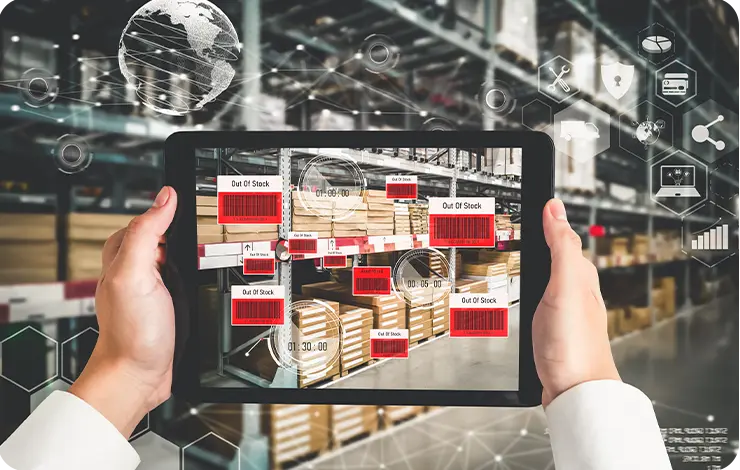
Integrating modern technological solutions is recommended to enhance visibility and traceability of logistic flows. Adopting technologies such as Warehouse Management Systems (WMS) and the Internet of Things (IoT) automates processes, reducing human errors and improving operational efficiency.
- Gradual Implementation
An approach of gradual implementation helps mitigate operational disruptions when transitioning to new logistic practices. This phased method provides the team with the opportunity to gradually adapt to changes while capitalizing on short-term benefits.
- Continuous Monitoring and Analysis
Logistic flow management is not limited to the initial phase. Continuous performance monitoring, coupled with regular analysis of key performance indicators, allows for adjustments to strategies based on market changes. This approach ensures constant optimization of logistic operations.
The Advantages of Effective Logistic Flow Management
Logistic flow management plays a crucial role in optimizing a company’s operations, and its advantages are numerous. By adopting a strategic approach, logistics professionals can achieve significant gains both operationally and competitively.
- Reduced Operational Costs
Efficient logistic flow management enables a detailed analysis of processes, identifying opportunities for cost optimization. By streamlining the supply chain, minimizing waiting times, and optimizing resource utilization, companies can significantly reduce their operational costs. This optimization directly translates into improved profitability, a key element in a competitive business environment.
- Enhanced Customer Satisfaction
Well-managed logistics result in greater reliability in product delivery, contributing to customer satisfaction. Reduced delivery times, proactive stock management, and transparent communication on order tracking enhance customer trust. Improved customer experience leads not only to loyalty but also to positive recommendations, fostering organic business growth.
- Enhanced Competitiveness
In a globalized market, competitiveness largely relies on the ability to respond quickly and efficiently to market demands. Well-coordinated logistic flow management offers the company increased agility, allowing it to quickly adapt to changes in demand, minimize delays, and anticipate market shifts. This enhanced competitiveness positions the company as a major player in its industry.
- Expansion of Business Opportunities
Efficient logistic flow management paves the way for new business opportunities. By optimizing distribution and eliminating logistical obstacles, the company can consider geographical expansions, explore new markets, and establish strategic partnerships. Well-managed logistics thus become an essential lever for business growth and diversification.
Our Advice for Effective Flow Management
- Good Organization
Planning is the cornerstone of successful flow management. Avoid the common mistake of underestimating the importance of meticulous planning. Anticipate demand fluctuations, establish efficient routes, and ensure complete visibility of your stocks.
- Stock Visibility
One of the common mistakes in logistic flow management is the lack of visibility on stock levels. Without a deep understanding of inventory, it becomes difficult to forecast demand, leading to stockouts or costly excesses.
- Route Optimization
Good route optimization can help you avoid unnecessary delays and excessive transport costs. Take the time to develop this aspect using tools designed for that purpose.
- Effective Communication
Transparent communication is crucial for seamless flow management. Avoid the mistake of neglecting communication between different links in the logistic chain. Clear and responsive communication channels help avoid delays and errors.
- Training
Employee training is often underestimated. Avoid this mistake by providing ongoing training. Well-trained staff is better equipped to handle complex situations and contributes to more efficient flow management.
- Use of Good Technologies
Investing in modern technological solutions is imperative. The mistake to avoid here is sticking to outdated systems that hinder efficiency. Innovative software tools can streamline processes, improve visibility, and strengthen traceability.
And there you have it! You now know how to optimize your logistic flow management to the maximum!
Frequently Asked Questions
FAQ – The Most Frequently Asked Questions About Nomadia
Why Choose Nomadia?
As France’s leading publisher of Smart Mobility SaaS solutions, Nomadia supports more than 175,000 field professionals every day. Our solutions are easy to use, quick to deploy, and deliver significant and immediate return on investment.
Drawing on the expertise of both a software publisher-integrator and a consulting firm, Nomadia’s teams provide tailored support, from data consulting to the deployment of mobile devices. Finally, our technical support team is available 24/7 to assist you.
Who Are Nomadia Solutions Designed For?
Nomadia solutions support the digital transformation of all mobile professionals: field sales representatives, delivery drivers, technicians, auditors, healthcare workers, inspectors, service providers, security patrol officers, experts, and more.
Whether for SMEs or large enterprises, our solutions adapt to businesses of all sizes and across all industries.
How Much Does It Cost?
Nomadia Delivery offers transparent and flexible pricing, which primarily depends on the number of users (for example, planners and dispatchers) rather than a fixed cost per parcel.
Thanks to this model, you can control your delivery costs based on the number of resources (users) involved in route management, providing great flexibility to adjust your subscription according to the size of your fleet and your operational needs.
Is It Compatible with My Current ERP System?
Yes! Nomadia Delivery has been designed to integrate quickly and easily into your existing environment thanks to our powerful and secure APIs. Our solution is compatible with most ERP systems on the market. API integration enables the automatic synchronization of your transport orders, customer orders, and customer information, ensuring smooth and error-free delivery tracking. The solution also offers user-friendly import capabilities with data validation controls, as well as export options in multiple customizable formats.
Is It Suitable for Our Delivery Volume?
Yes, Nomadia Delivery is ideal for companies that manage a high volume of deliveries and want to optimize their routes, create balanced territories for their drivers, and ensure precise tracking of every parcel. Nomadia Delivery adapts to fleets of all sizes!
Can Multiple Warehouses or Depots Be Managed?
Yes, our solution allows you to manage multiple warehouses or depots. It centralizes data and optimizes routes or service operations for each of them.
Is There a Limit to the Number of Stops in Route Optimizations?
No, there is no strict limit to the number of stops in route optimizations. Our solution can handle large volumes of stops and quickly calculate optimized routes.
Project, request for a demonstration or a free trial?