The Lone Worker Protection in ATEX Zone: The Guide
- 21/11/2023
- 17:21
Reading Time: 5 min

Responsable Content Marketing
Sommaire
LWP and ATEX Zone: Definition
What is LWP?
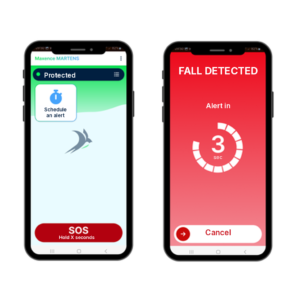
LWP, or Lone Worker Protection, is an electronic device that alerts emergency services in the event of an accident or distress of an isolated worker. It’s mandatory in certain risk environments, especially ATEX zones.
What is an ATEX Zone?
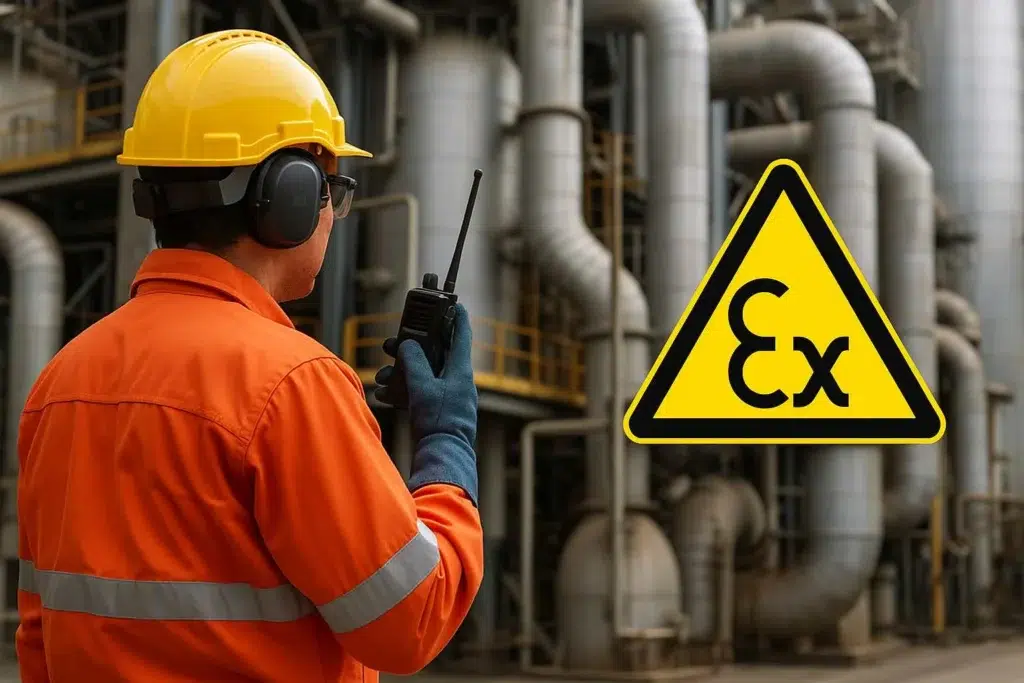
An ATEX zone is an area where there’s a risk of explosion due to the presence of flammable gases, vapors, or dust.
What Are the ATEX Zones?
There are four categories of ATEX zones based on the level of risk:
- Zone 0: Where an explosion is likely continuously or for long periods.
- Zone 1: Where an explosion is possible occasionally.
- Zone 2: Where an explosion is possible accidentally.
- Zone 20: Where flammable dust is present continuously or for long periods.
- Zone 21: Where flammable dust is present occasionally.
- Zone 22: Where flammable dust is present accidentally.
Who is covered by the ATEX PTI?
Workers covered by the ATEX PTI include, in particular, those working in:
- The chemical and petrochemical industries, where flammable gases are handled,
- The food processing industry, particularly in grain storage silos, due to combustible dust,
- Oil refineries and storage facilities, which handle volatile hydrocarbons,
- Mines and extraction sites, due to gases emitted during operations,
- Gas stations and auto repair shops that handle flammable fuels and solvents,
- Sawmills and wood-processing industries where combustible wood dust may be present.
Why Use LWP for ATEX Zones?
- Safety in ATEX Zone
The primary and most apparent reason for implementing LWP in ATEX zones is to ensure worker safety. ATEX environments, with potential explosive atmospheres, pose significant safety risks. ATEX LWP allows real-time monitoring of isolated workers’ safety and quick responses in emergencies.
- Emergency Responsiveness
In an ATEX zone, the speed of response in case of an incident can mean the difference between life and death. LWP enables quick triggering of alerts in dangerous situations, dispatching immediate help and reducing potential accident consequences.
- Continuous Monitoring
LWP in an ATEX zone ensures continuous monitoring of isolated workers. Modern devices come with sensors detecting movements, temperature, gas levels, and other critical parameters. This ensures that even if the worker is unable to manually trigger an alert, the system will automatically respond to issues.
- Regulatory Compliance
Adhering to regulations is a major concern for any business operating in an ATEX zone. Using ATEX LWP can help ensure your company meets safety standards, positively impacting your brand image and preventing potential penalties.
- Reducing Human and Material Risks
The impact of accidents in ATEX zones can be substantial, both in human and financial terms. By investing in LWP, you significantly reduce risks for your employees and your business. This can help maintain your reputation, avoid costs related to injuries and property damage, and optimize productivity by reducing downtimes.
- Effective Incident Management
In case of an incident, LWP enables effective management of emergency interventions. Rescue teams can precisely locate the distressed worker, reducing the time needed to provide assistance and improving survival chances.
- Decision Making
Real-time data collection through ATEX LWP can also enhance decision-making. Information gathered about working conditions and potential incidents can be used to implement preventive measures and optimize safety procedures.
Why Use LWP for ATEX Zones?
- Intrinsically Safe ATEX PTI Devices
Intrinsically safe ATEX PTI devices are designed for use in potentially explosive atmospheres where ignition is a constant risk. They are built to operate safely by minimizing the possibility of triggering an explosion. These devices comply with the strict standards defined by the ATEX directives and are suitable for environments with high concentrations of explosive gases.
- Advantages: They offer the highest level of safety and can be used in very high-risk zones (Zones 0/1), even in the continuous presence of flammable gases or vapors.
- Disadvantages: They are more expensive, and their functionality may be limited due to the constraints associated with intrinsic safety. They also require rigorous maintenance and specific certification.
- Non-Intrinsic ATEX PTI Devices
Non-intrinsic ATEX PTI devices, on the other hand, are not intended for use in potentially explosive environments. They are suitable for non-hazardous areas and do not meet the specific requirements of the ATEX directives. These devices can be used for tasks that do not pose an explosion risk.
- Advantages: They are more affordable, more flexible in terms of functionality, and quick to deploy in environments without ATEX restrictions.
- Disadvantages: They are completely unsuitable for environments with a risk of explosion and can pose a danger if used improperly.
ATEX PTI for Explosive Zones
ATEX PTI for Explosive Areas
ATEX PTI intended for use in explosive areas are designed to meet the most stringent safety requirements. They comply with ATEX directives and are suitable for environments where combustible gases or dust are commonly present. This equipment is essential for ensuring worker safety under such conditions.
- Advantages: Their robust and secure design ensures reliable operation in Zones 1, 2, 21, or 22. They are often waterproof, shock-resistant, and built to withstand extreme environments.
- Disadvantages: They tend to be more expensive, and their installation sometimes requires specific approvals. Some models may have limitations in terms of expandability or connectivity.
ATEX PTI for Non-Explosive Zones
ATEX PTI intended for non-explosive zones are designed for work environments without a risk of explosion. They are simpler and less expensive than their counterparts intended for explosive zones. This equipment is ideal for tasks where explosion safety is not a major concern.
- Advantages: They offer an effective and cost-efficient solution for standard applications and can be implemented quickly.
- Disadvantages: They are not at all suitable for hazardous environments, and their resistance to extreme conditions (dust, humidity, heat) may be limited depending on the model.
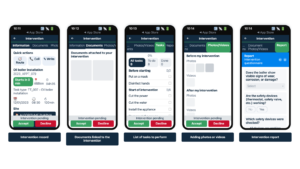
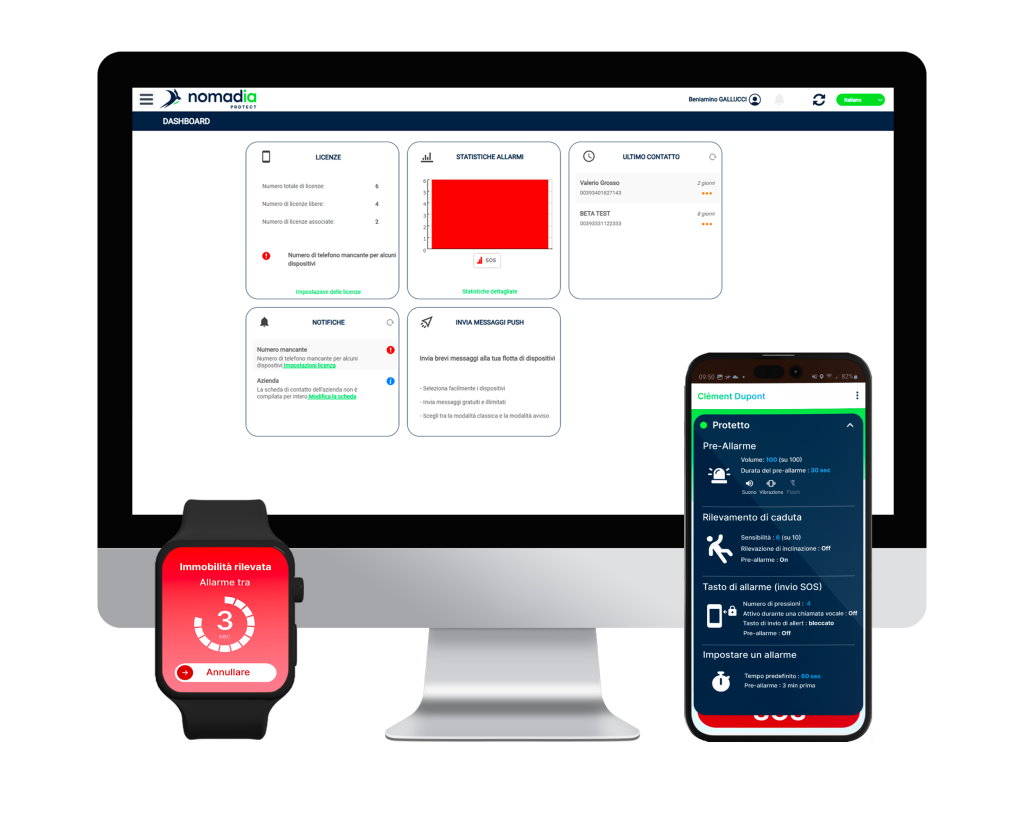
To always prioritize your employees’ safety, Nomadia has developed an app to ensure constant communication in case of danger!
How to Choose the Right LWP for My Company’s Needs?
Selecting the most suitable LWP for your company is essential to ensure your workers’ safety in ATEX environments. Here are some crucial tips to guide you in your selection:
- Evaluate ATEX Risks
Before choosing an LWP, start by assessing specific risks related to your company’s ATEX environments. Identify potentially explosive zones, types of hazardous substances, and critical work scenarios.
- Compliance Standards
Ensure the LWP you’re considering complies with the current ATEX safety standards. Appropriate certifications are essential to guarantee your staff’s safety.
- Compatibility and Flexibility
Choose an ATEX LWP compatible with your company’s existing communication systems. Flexibility is an asset as it allows you to adapt the device to your company’s changing needs.
- Ease of Use
Opt for a user-friendly LWP. Workers should be able to use it effectively without extensive training.
- Reliability and Durability
Reliability is paramount in ATEX environments. Ensure the LWP is sturdy, shock-resistant, and capable of functioning in harsh conditions.
- Alert and Assistance Management
Look for devices capable of efficiently managing alerts in emergency situations. Quick assistance can make a difference in dangerous circumstances.
ATEX Regulation: What’s the Legal Framework?
The ATEX regulations govern the use of equipment and the protection of people in environments where there is a risk of explosion. They are based on two complementary European directives, which apply to both manufacturers and operators:
- Directive 2014/34/EU (ATEX 114): This directive governs the placing on the market of equipment intended for use in explosive atmospheres. It requires strict compliance with design, testing, and certification requirements before any equipment can be sold.
- Directive 1999/92/EC (ATEX 137): This directive concerns worker safety. It requires employers to assess risks, classify ATEX zones (zones 0, 1, 2 or 20, 21, 22), implement preventive measures, and train personnel.
These directives are incorporated into the national laws of European Union member states, making them legally binding.

Frequently Asked Questions
FAQ – The Most Frequently Asked Questions About Nomadia
Why Choose Nomadia?
As France’s leading publisher of Smart Mobility SaaS solutions, Nomadia supports more than 175,000 field professionals every day. Our solutions are easy to use, quick to deploy, and deliver significant and immediate return on investment.
Drawing on the expertise of both a software publisher-integrator and a consulting firm, Nomadia’s teams provide tailored support, from data consulting to the deployment of mobile devices. Finally, our technical support team is available 24/7 to assist you.
Who Are Nomadia Solutions Designed For?
Nomadia solutions support the digital transformation of all mobile professionals: field sales representatives, delivery drivers, technicians, auditors, healthcare workers, inspectors, service providers, security patrol officers, experts, and more.
Whether for SMEs or large enterprises, our solutions adapt to businesses of all sizes and across all industries.
How Much Does It Cost?
Nomadia Delivery offers transparent and flexible pricing, which primarily depends on the number of users (for example, planners and dispatchers) rather than a fixed cost per parcel.
Thanks to this model, you can control your delivery costs based on the number of resources (users) involved in route management, providing great flexibility to adjust your subscription according to the size of your fleet and your operational needs.
Is It Compatible with My Current ERP System?
Yes! Nomadia Delivery has been designed to integrate quickly and easily into your existing environment thanks to our powerful and secure APIs. Our solution is compatible with most ERP systems on the market. API integration enables the automatic synchronization of your transport orders, customer orders, and customer information, ensuring smooth and error-free delivery tracking. The solution also offers user-friendly import capabilities with data validation controls, as well as export options in multiple customizable formats.
Is It Suitable for Our Delivery Volume?
Yes, Nomadia Delivery is ideal for companies that manage a high volume of deliveries and want to optimize their routes, create balanced territories for their drivers, and ensure precise tracking of every parcel. Nomadia Delivery adapts to fleets of all sizes!
Can Multiple Warehouses or Depots Be Managed?
Yes, our solution allows you to manage multiple warehouses or depots. It centralizes data and optimizes routes or service operations for each of them.
Is There a Limit to the Number of Stops in Route Optimizations?
No, there is no strict limit to the number of stops in route optimizations. Our solution can handle large volumes of stops and quickly calculate optimized routes.