Field Service Management: Optimize Your Technical Team’s Efficiency

reading time : 2 min

Picture of Lucie Monnot
Lucie Monnot

Content Marketing Manager

Service operations management plays an important role in companies where operational efficiency is essential. Well-planned field operations help optimize working time and improve customer satisfaction. But what exactly does service operations management involve?

Table of Contents

Techniciens terrain devant un bâtiment avec outils et tablette

Optimize your service operations management with our dedicated tool!

Tip Description
Establish clear procedures Standardize processes to ensure consistent service operations management, with detailed work orders to prevent misunderstandings.
Plan effectively Identify essential criteria such as urgency, location, and required skills to optimize service operations management.
Adopt digital tools Use dedicated software to automate planning, centralize information, and improve real-time communication, such as Nomadia Field Service.
Keep your information database up to date Create and update a comprehensive database of equipment and operations to facilitate technicians’ work.
Optimize technician journeys Optimize travel using geolocation tools to reduce unnecessary journeys and maximize the number of operations completed per day.
Prepare technicians before each operation Ensure that technicians have all the necessary information before each operation to improve the first-time fix rate.
Automate administrative tasks Automate the creation of work orders, invoicing, and reports to free up time and reduce administrative errors.
Monitor performance indicators Define KPIs such as the first-time fix rate or customer satisfaction to evaluate and improve performance.

What is service operations management and why is it important?

What is service operations management?

Service operations management can be defined as a set of procedures and strategies designed to effectively coordinate operations within a company. Its primary objective is to optimize the processes associated with the different stages of an operation, from planning to execution. This involves the careful coordination of vehicles, teams, and the resources required to guarantee an excellent service. Service operations management aims to:
  • minimize waiting times,
  • maximize asset utilization,
  • ensure an optimal response to unexpected events.
A key aspect of this management process is the ability to handle last-minute changes while maintaining a high level of service quality. It is a delicate balance between foresight and adaptability.
Do not overlook your service operations management. It offers numerous benefits.

The benefits of service operations management

Service operations management, often used in technical services, emergency services, or maintenance contexts, offers several benefits:
  • Improved efficiency: it enables optimized planning and coordination of operations, thereby reducing waiting and idle times.
  • Better resource allocation: service operations management tools help allocate the necessary human and material resources efficiently.
  • Real-time monitoring: the ability to track operations in real time improves responsiveness and problem resolution.
  • Improved communication: it facilitates communication between the various people involved, including the sharing of essential information in the field.
  • Reports and analysis: data collection and report generation make it possible to analyze performance and identify areas for improvement.
  • Cost reduction: by optimizing operations, companies can reduce costs related to unnecessary travel, wasted time, and management errors.
  • Customer satisfaction: effective service operations management can lead to greater customer satisfaction through faster and more reliable services.

8 tips for effective service operations management

Tip 1: Establish clear procedures

Standardizing processes is essential for ensuring smooth and consistent service operations management. For example, design a work order template containing specific fields:
  • customer identification,
  • nature of the request,
  • location,
  • detailed description of the problem,
  • required actions.
This helps prevent misunderstandings and better prepare technicians before they travel to the site. In addition, these procedures promote consistent communication with customers and between internal teams.

Tip 2: Plan effectively

Careful planning is at the heart of effective service operations management. Identify essential criteria such as urgency, geographical location, and the skills required for each assignment. For example, prioritize critical operations while grouping those located in the same area to reduce travel. Good planning not only optimizes your teams’ time, but also improves customer satisfaction by reducing waiting times.

Tip 3: Adopt digital tools

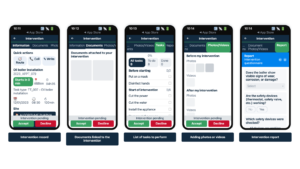
Field service management software provides an integrated solution for automating time-consuming tasks. It makes it possible to centralize information, optimize schedules, and facilitate real-time communication with field teams. For example, a technician can instantly receive the details of an assignment through a mobile application, reducing errors and delays. These tools also make it possible to monitor the progress of operations in real time, thereby improving transparency and overall efficiency.

Tip 4: Keep your information database up to date

A comprehensive and well-structured information database is a valuable asset. It may include data on customer equipment, previous operations, technical guides, and specific instructions. By accessing this information through a digital platform, technicians can resolve problems more quickly, particularly during complex operations. This reduces unnecessary repeat visits and improves service quality.

Tip 5: Optimize technician journeys

Optimizing travel is an important lever for reducing costs and improving productivity. By using geolocation tools and route management software, you can plan journeys while taking distances, traffic conditions, and technician availability into account. This helps avoid unnecessary travel, maximize the number of operations completed per day, and reduce carbon emissions.

Tip 6: Prepare technicians before each operation

Thorough preparation before each assignment is essential to ensure a fast and effective resolution. Provide technicians with all the necessary details, such as an exact description of the problem, the history of previous operations, and the specific tools they need to bring. This preparation avoids return trips to collect equipment or obtain additional information, thereby increasing the first-time fix rate.

Tip 7: Automate administrative tasks

Administrative tasks, such as creating work orders, sending quotations, or invoicing, can quickly become time-consuming when managed manually. By automating these processes with digital tools, you reduce the risk of errors and free up time for your teams. For example, once an operation is completed, software can automatically generate a report or invoice, accelerating the administrative cycle.

Tip 8: Monitor performance indicators

Performance monitoring is essential for evaluating the effectiveness of your management processes. Define key indicators such as the first-time fix rate, average processing time, or customer satisfaction rate. This data allows you to identify areas for improvement and adjust your strategies accordingly. For example, if the first-time fix rate is low, this may indicate a need for additional technician training or improvements in operation preparation.

How do you choose the right field service management software?

Define your specific needs

The first step in choosing field service management software is to clearly identify your needs. Review your existing processes and identify areas for improvement. List the essential features, such as operation planning, task management, detailed report generation, automated invoicing, and performance monitoring.
 
Involve end users, particularly technicians and managers, to gather precise information about their expectations and daily challenges. This collaborative approach ensures that the software will genuinely meet operational needs.

Ensure compatibility with your business

Each industry has its own specific characteristics, and field service management software is not one-size-fits-all. For example, the needs of an industrial maintenance company differ from those of a healthcare service or logistics company. Choose software that understands the specific requirements of your industry. These may include equipment management for maintenance, inventory tracking for logistics, or appointment management for the medical sector. Software specialized in your field will be better suited to your needs and require less customization.

Choose ease of use

Good software should be intuitive to encourage rapid adoption by your teams. A clear, well-designed user interface reduces training time and limits errors. Features such as built-in tutorials, simplified navigation, and online assistance can make the software much easier to use. Also ensure that end users can perform their main tasks with a minimum number of clicks, without having to navigate complex processes.

Check the mobility features

For teams working in the field, mobility is an essential criterion. Effective field service management software should include an ergonomic mobile application that enables technicians to easily access information, update operation statuses in real time, and collect data on site. The ability to use the application offline, with automatic synchronization once an internet connection becomes available, is also an important advantage.

Prioritize data security

Security is a major concern, particularly when the software handles sensitive information such as customer data, contracts, or operation reports. Choose software that offers end-to-end data encryption, customizable access permissions, and regular backups to prevent data loss. Also check whether the software complies with local and international regulations, such as the GDPR for companies operating in Europe.

Ensure reliable technical support

Good technical support is essential for quickly resolving technical problems and ensuring operational continuity. Find out which support channels are available, such as telephone, live chat, or email, and when they are accessible, whether 24/7 or during limited hours. Also check average response times and the quality of the solutions provided. Responsive support can make all the difference in the event of a failure or urgent need.

Review user feedback and testimonials

Before finalizing your choice, explore feedback from other users on independent platforms. Reviews and testimonials can give you a realistic view of the software’s strengths and weaknesses beyond its marketing claims. Pay particular attention to comments about stability, ease of use, technical support, and specific features. Do not hesitate to ask software providers for references or case studies.

The challenges of service operations management and how to overcome them

Service operations management is an essential pillar for companies. Coordination, operational efficiency, and customer satisfaction are constant priorities. In this demanding context, industry professionals face several challenges. However, with a strategic approach, these challenges can be addressed effectively, ensuring that operations run smoothly.
Facility management définition, enjeux et solutions

Coordinating field teams

Coordinating field teams is a major challenge in service operations management for companies. The diversity of assignments, team mobility, and the need for smooth communication require a methodical approach. It is necessary to invest in innovative technology solutions, such as integrated mobile applications, to ensure real-time communication between team members. This synchronization facilitates decision-making and optimizes task execution in the field.

Optimizing routes and schedules

With the use of intelligent management systems based on advanced algorithms, it becomes possible to optimize routes, thereby reducing fuel costs and minimizing travel times. Careful planning of operations, combined with continuous performance analysis, makes it possible to adjust strategies in real time.

Communicating with customers

Communication with customers plays a central role in service operations management. Transparency and responsiveness are essential for building a relationship of trust with customers. The use of online tracking platforms that provide real-time information on the progress of operations strengthens customer satisfaction. It is also advisable to invest in customer relationship management (CRM) tools to centralize interactions and ensure effective communication, thereby contributing to customer loyalty.

As you will have understood, service operations management is a strategic lever for companies seeking to improve their operational efficiency and offer a high-quality customer experience.
 
Optimizing service operations is not simply a logistics issue. It is an investment in customer satisfaction, cost reduction, and team productivity. With a proactive approach and modern solutions, every operation becomes an opportunity to demonstrate professionalism, responsiveness, and reliability. Ultimately, effective service operations management ensures operational success and strengthens customers’ trust in your company.

     Projet, demande de démonstration ou d’essai gratuit ?

Frequently Asked Questions

FAQ – The Most Frequently Asked Questions About Nomadia

Why Choose Nomadia?

As France’s leading publisher of Smart Mobility SaaS solutions, Nomadia supports more than 175,000 field professionals every day. Our solutions are easy to use, quick to deploy, and deliver significant and immediate return on investment.

Drawing on the expertise of both a software publisher-integrator and a consulting firm, Nomadia’s teams provide tailored support, from data consulting to the deployment of mobile devices. Finally, our technical support team is available 24/7 to assist you.

Who Are Nomadia Solutions Designed For?

Nomadia solutions support the digital transformation of all mobile professionals: field sales representatives, delivery drivers, technicians, auditors, healthcare workers, inspectors, service providers, security patrol officers, experts, and more.

Whether for SMEs or large enterprises, our solutions adapt to businesses of all sizes and across all industries.

How Much Does It Cost?

Nomadia Delivery offers transparent and flexible pricing, which primarily depends on the number of users (for example, planners and dispatchers) rather than a fixed cost per parcel.

Thanks to this model, you can control your delivery costs based on the number of resources (users) involved in route management, providing great flexibility to adjust your subscription according to the size of your fleet and your operational needs.

Is It Compatible with My Current ERP System?

Yes! Nomadia Delivery has been designed to integrate quickly and easily into your existing environment thanks to our powerful and secure APIs. Our solution is compatible with most ERP systems on the market. API integration enables the automatic synchronization of your transport orders, customer orders, and customer information, ensuring smooth and error-free delivery tracking. The solution also offers user-friendly import capabilities with data validation controls, as well as export options in multiple customizable formats.

Is It Suitable for Our Delivery Volume?

Yes, Nomadia Delivery is ideal for companies that manage a high volume of deliveries and want to optimize their routes, create balanced territories for their drivers, and ensure precise tracking of every parcel. Nomadia Delivery adapts to fleets of all sizes!

Can Multiple Warehouses or Depots Be Managed?

Yes, our solution allows you to manage multiple warehouses or depots. It centralizes data and optimizes routes or service operations for each of them.

Is There a Limit to the Number of Stops in Route Optimizations?

No, there is no strict limit to the number of stops in route optimizations. Our solution can handle large volumes of stops and quickly calculate optimized routes.

         Project, request for a demonstration or a free trial?

nomadia logo

Geoconcept becomes Nomadia

Geoconcept brands are officially
evolving into Nomadia

nomadia logo

TourSolver becomes
Nomadia TourSolver