Worker Protection: The Free and Comprehensive Guide
- 12/12/2023
- 11:08
reading time : 2 min

Content Marketing Manager
The safety and well-being of workers are pillars within any professional environment. But how to ensure effectively protecting employees? We explain everything in this article.
Tables of Contents
What is workplace protection?
Workplace protection refers to the set of measures and guarantees put in place to ensure:
- Safety
- Well-being
- Rights of workers in their professional environment
It encompasses the prevention of occupational hazards, preservation of employees’ physical and mental health, and the respect of their fundamental rights. The objective is to create an environment conducive to professional development while minimizing risks associated with work activities.
Risks associated with isolated work and the protection it offers
Working alone exposes employees to specific risks, and it’s necessary to implement adequate protection to ensure their safety and well-being. Understanding these risks is the first step toward effective prevention and an appropriate response.
- Preventing accidents and hazards for isolated workers
Preventing accidents is a crucial priority in the context of isolated work. Strict protocols are necessary to identify and minimize risks. This includes providing appropriate protective equipment, regular training sessions, and constant communication to raise employees’ awareness of potential dangers.
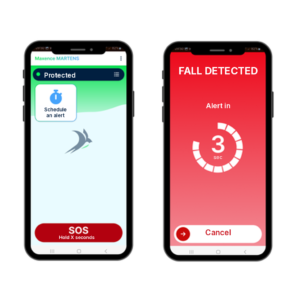
Isolated workers may face various dangers such as falls, unexpected medical issues, or emergency situations. To address these challenges, advanced safety devices like real-time monitoring and automatic alerts are in place. The goal is to ensure a swift response when needed, thereby ensuring a safe working environment.
- Impact on the mental and physical health of isolated workers
Isolated work can significantly impact employees’ mental and physical health. Loneliness, stress, and fatigue can accumulate, affecting overall well-being. Support measures are essential to alleviate these impacts.
Promoting mental health is a key component of these initiatives. Awareness programs, stress management training sessions, and support resources are made available. Additionally, regular medical consultations and fitness programs are integrated to promote the physical health of isolated workers.
In conclusion, minimizing risks associated with isolated work requires a comprehensive approach to worker protection. Accident prevention and consideration of mental and physical health lie at the core of this endeavor.
How to protect isolated workers?
The safety of isolated workers is a major concern in today’s professional context. Implementing preventive measures coupled with the use of suitable tools is vital to ensure their well-being.
- Real-time geolocation
Integrating real-time geolocation devices remains a crucial pillar. These tools not only track the position of isolated workers but also enable quick intervention when needed. Real-time location improves responsiveness to potential emergency situations.
- Safety-specific applications
Adopting applications specifically designed to ensure the safety of isolated workers facilitates instant communication and management of delicate situations. These applications offer a user-friendly interface, promoting effective use even in demanding professional conditions.
- Intelligent motion sensors
Integrating intelligent motion sensors into personal protective equipment detects any anomalies or unusual movements. These sensors play a preventive role by quickly signaling potentially dangerous situations.
- Connected alarms
Connected alarm systems are indispensable allies in protecting isolated workers. By reacting instantly to emergencies, these alarms help minimize intervention delays, ensuring a swift response when needed.
- Mobile video surveillance devices
Using mobile video surveillance devices provides real-time visibility of the working environment of isolated employees. This complementary technology strengthens monitoring and contributes to prompt intervention in identified risks.
In conclusion, protecting isolated workers relies on a balanced combination of preventive measures and judicious use of suitable tools. This comprehensive approach aims to create a secure working environment, fostering trust and well-being among collaborators working in isolation.
Workplace protection: regulations
Working in a secure environment is a fundamental right of every employee, and regulations related to worker protection play a vital role in this perspective. These standards, designed to ensure workers’ well-being, are essential for creating optimal working conditions.
Competent authorities have established a comprehensive regulatory framework aiming to ensure worker safety and health. These regulations encompass various aspects, ranging from preventing workplace accidents to managing occupational risks. Each company commits to scrupulously respecting these standards to create a safe and healthy professional environment.
The Labor Code forms the basis of these regulations by defining the rights and duties of employers and employees. It addresses issues such as working conditions, legal working hours, and provisions related to workplace safety. This legal foundation provides a solid base for worker protection within our company.
Worker protection is not limited solely to physical aspects but also encompasses the psychosocial sphere.

Worker Protection: Obligations
- Compliance with Safety Standards
Compliance with safety standards holds a central place in obligations towards workers. Companies must establish internal policies aimed at identifying and reducing risks, thus ensuring a safe working environment.
- Continuous Safety Training
Continuous training emerges as a key element in accident prevention. Companies should commit to offering regular safety training, extending beyond specific professional skills to include aspects related to health and safety.
- Compliance with Legal Standards
Adhering to legal and regulatory standards is an unavoidable obligation. This includes compliance with working hours, decent working conditions, as well as adherence to industry-specific regulations. These standards form the basis of commitment to worker protection.
- Provision of Personal Protective Equipment (PPE)
Every worker has the right to access suitable personal protective equipment for their role. From safety glasses to helmets, companies must ensure the availability of adequate PPE for all employees.
- Transparent Risk Communication
Transparent communication regarding potential risks is essential. Companies should maintain an open dialogue with employees regarding risks associated with their roles. This approach promotes awareness and reinforces a safety culture within the organization.
- Support in Case of Health Issues
Recognizing the importance of workers’ overall health is paramount. Companies must offer appropriate support in case of health issues, whether through medical benefits, employee assistance programs, or flexible arrangements.
In summary, worker protection represents a fundamental commitment that every company should take seriously. These obligations extend beyond legal frameworks to become values ingrained in the corporate culture, fostering a working environment where safety and well-being take priority.
Frequently Asked Questions
FAQ – The Most Frequently Asked Questions About Nomadia
Why Choose Nomadia?
As France’s leading publisher of Smart Mobility SaaS solutions, Nomadia supports more than 175,000 field professionals every day. Our solutions are easy to use, quick to deploy, and deliver significant and immediate return on investment.
Drawing on the expertise of both a software publisher-integrator and a consulting firm, Nomadia’s teams provide tailored support, from data consulting to the deployment of mobile devices. Finally, our technical support team is available 24/7 to assist you.
Who Are Nomadia Solutions Designed For?
Nomadia solutions support the digital transformation of all mobile professionals: field sales representatives, delivery drivers, technicians, auditors, healthcare workers, inspectors, service providers, security patrol officers, experts, and more.
Whether for SMEs or large enterprises, our solutions adapt to businesses of all sizes and across all industries.
How Much Does It Cost?
Nomadia Delivery offers transparent and flexible pricing, which primarily depends on the number of users (for example, planners and dispatchers) rather than a fixed cost per parcel.
Thanks to this model, you can control your delivery costs based on the number of resources (users) involved in route management, providing great flexibility to adjust your subscription according to the size of your fleet and your operational needs.
Is It Compatible with My Current ERP System?
Yes! Nomadia Delivery has been designed to integrate quickly and easily into your existing environment thanks to our powerful and secure APIs. Our solution is compatible with most ERP systems on the market. API integration enables the automatic synchronization of your transport orders, customer orders, and customer information, ensuring smooth and error-free delivery tracking. The solution also offers user-friendly import capabilities with data validation controls, as well as export options in multiple customizable formats.
Is It Suitable for Our Delivery Volume?
Yes, Nomadia Delivery is ideal for companies that manage a high volume of deliveries and want to optimize their routes, create balanced territories for their drivers, and ensure precise tracking of every parcel. Nomadia Delivery adapts to fleets of all sizes!
Can Multiple Warehouses or Depots Be Managed?
Yes, our solution allows you to manage multiple warehouses or depots. It centralizes data and optimizes routes or service operations for each of them.
Is There a Limit to the Number of Stops in Route Optimizations?
No, there is no strict limit to the number of stops in route optimizations. Our solution can handle large volumes of stops and quickly calculate optimized routes.
Project, request for a demonstration or a free trial?